Exploring Innovations in Periodontics and Implants
- Emeet Duhra
- May 28
- 3 min read
The field of dentistry has seen remarkable advancements over the years, particularly in periodontics and dental implants. These innovations not only enhance the aesthetic appeal of smiles but also significantly improve oral health and overall quality of life. As we delve into the latest trends and technologies in this area, we will explore how these developments are shaping the future of dental care.
Understanding Periodontics
Periodontics is the branch of dentistry that focuses on the prevention, diagnosis, and treatment of periodontal disease, which affects the gums and supporting structures of the teeth. Periodontal disease is a common condition that can lead to tooth loss if left untreated.
The Importance of Periodontal Health
Maintaining healthy gums is crucial for several reasons:
Preventing Tooth Loss: Healthy gums support teeth and prevent them from becoming loose.
Reducing Systemic Health Risks: Research has linked periodontal disease to various systemic conditions, including heart disease and diabetes.
Enhancing Aesthetic Appeal: Healthy gums contribute to a beautiful smile.
Innovations in Periodontal Treatment
Recent innovations in periodontics have transformed how dental professionals approach gum disease. Some notable advancements include:
Laser Therapy: This minimally invasive technique allows for precise treatment of gum disease, reducing discomfort and recovery time.
Regenerative Procedures: Techniques such as guided tissue regeneration (GTR) and bone grafting help restore lost gum and bone tissue.
Biologics: The use of growth factors and stem cells is gaining traction in periodontal therapy, promoting healing and regeneration.
The Rise of Dental Implants
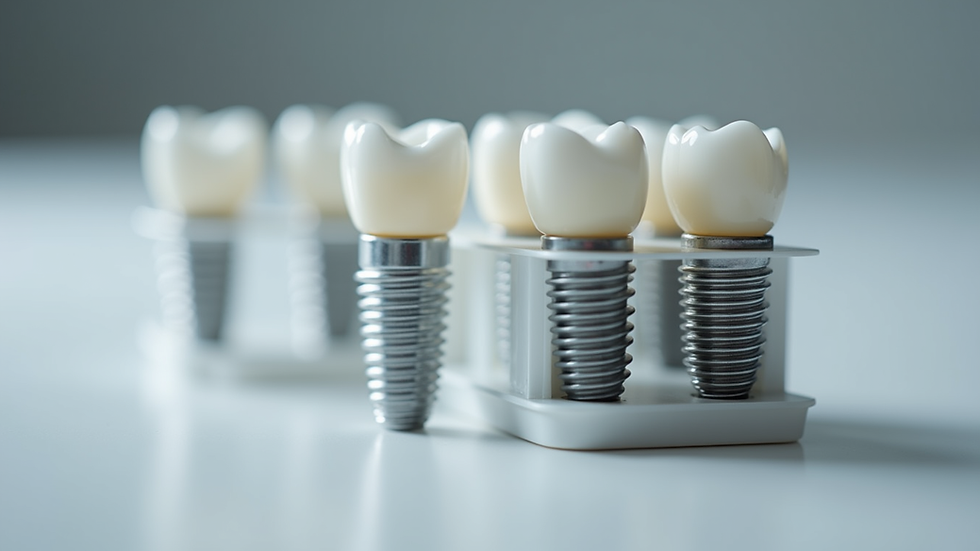
Dental implants have revolutionized the way missing teeth are replaced. Unlike traditional dentures or bridges, implants provide a permanent solution that mimics the function and appearance of natural teeth.
Benefits of Dental Implants
Durability: With proper care, dental implants can last a lifetime.
Natural Appearance: Implants are designed to look and feel like natural teeth, enhancing the patient's smile.
Improved Functionality: Patients can eat, speak, and smile with confidence, as implants restore full chewing function.
Innovations in Dental Implant Technology
The field of dental implants has also seen significant advancements. Some key innovations include:
3D Imaging and Printing: These technologies allow for precise planning and customization of implants, improving the fit and success rate.
Mini Implants: Smaller in size, mini implants are less invasive and can be placed in areas where traditional implants may not fit.
Immediate Loading Implants: This technique allows for the placement of a crown on the same day as the implant, reducing the waiting period for patients.
The Intersection of Periodontics and Implants
The relationship between periodontics and dental implants is crucial for successful outcomes. Periodontal health plays a significant role in the longevity of dental implants.
Pre-Implant Periodontal Assessment
Before placing an implant, a thorough periodontal assessment is essential. This includes:
Evaluating Gum Health: Ensuring that the gums are free from disease is critical for implant success.
Bone Density Assessment: Adequate bone density is necessary to support the implant. If bone loss is present, regenerative procedures may be required.
Post-Implant Periodontal Care
After the placement of dental implants, ongoing periodontal care is vital. This includes:
Regular Cleanings: Professional cleanings help maintain gum health and prevent infection around the implant.
Patient Education: Patients should be educated on proper oral hygiene practices to ensure the longevity of their implants.
Future Trends in Periodontics and Implants
As technology continues to evolve, the future of periodontics and dental implants looks promising. Some emerging trends include:
Artificial Intelligence (AI): AI is being integrated into diagnostic tools, helping dentists identify periodontal disease earlier and more accurately.
Tele-dentistry: Virtual consultations are becoming more common, allowing patients to receive care and advice from the comfort of their homes.
Personalized Treatment Plans: Advances in genetics and biomaterials will enable more tailored treatment options for patients.
Conclusion
The innovations in periodontics and dental implants are transforming the landscape of dental care. By focusing on prevention, early diagnosis, and advanced treatment options, dental professionals can significantly improve patient outcomes. As technology continues to advance, we can expect even more exciting developments in the field, ultimately leading to healthier smiles and improved quality of life for patients.
For anyone considering dental implants or seeking treatment for periodontal disease, it is essential to consult with a qualified dental professional who can provide personalized care and guidance. Embracing these innovations can lead to a brighter, healthier future for your smile.


Comments